

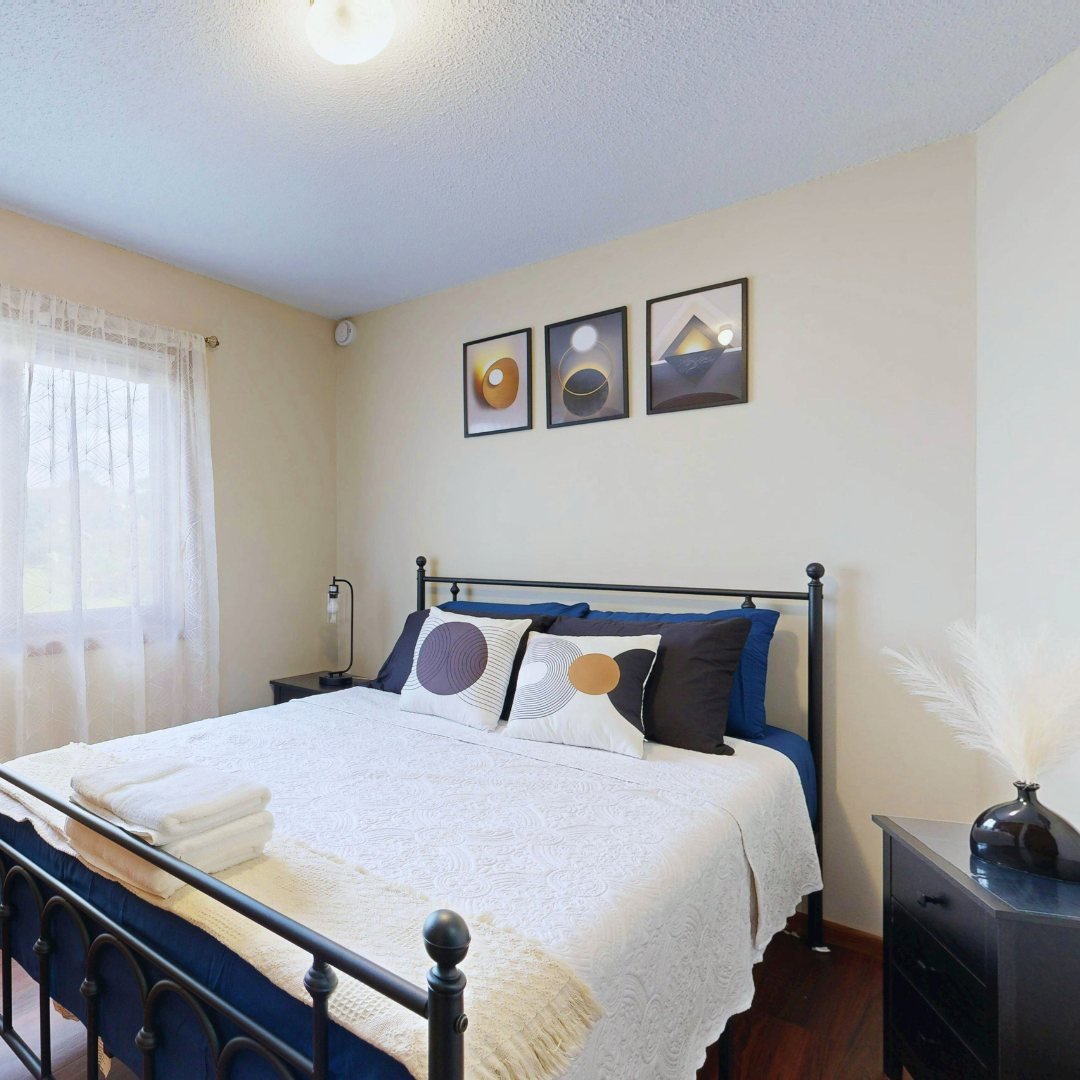
How to Create a Calming Bedroom Environment at Home — Practical Tips for Peaceful Sleep and Relaxation

They step into a bedroom that invites rest rather than distraction, and they immediately feel calmer. Create a calming bedroom by simplifying the space, controlling light and sound, and choosing soothing colours and textures to support sleep and relaxation.
The post will walk through practical changes—decluttering, lighting choices, temperature control, and tactile details—that anyone can use to transform their room into a peaceful retreat. It explains how small, intentional swaps make a big difference in daily stress and sleep quality.
Key Elements for Creating a Calming Bedroom Environment at Home
This section highlights practical steps to shape a peaceful bedroom by focusing on colour, lighting, storage, bedding, environmental controls, greenery, and purposeful layout. Each element targets measurable improvements in comfort, sleep quality, and a serene bedroom aesthetic.
Optimising Color Schemes and Textures
Choose a soft neutral palette—muted greys, warm beiges, pale sage, or dusty blue—to reduce visual stimulation and promote relaxation. Paint walls in matte or eggshell finishes to minimise glare; reserve brighter accents for small decor like throw pillows or a cosy rug.
Layer textures to add warmth without clutter. Combine linen bedding, a plush duvet, and a cotton throw for tactile variation. Use textured curtains (sheer over blackout) and a woven headboard or wall hanging to create depth. Keep most surfaces in layered neutrals to maintain a restful retreat vibe.
Strategic Bedroom Lighting for Relaxation
Install dimmer switches on overhead fixtures to shift from a bright task light to soft ambient lighting in the evening. Add wall sconces or bedside lamps with warm 2700–3000K bulbs for reading nooks, and position them to avoid direct glare on pillows or screens.
Incorporate soft lighting sources: a small essential oil diffuser with a nightlight, LED strips behind furniture, and a table lamp with a fabric shade. Use smart bulbs or timers to simulate sunset dimming and pair with blackout curtains or sheer curtains for controlled natural light during the day.
Decluttering and Smart Storage Solutions
Adopt smart storage solutions to keep surfaces clear and maintain a peaceful bedroom. Use under-bed storage bins for seasonal clothes, floating shelves for a few curated items, and a dresser with divided drawers to avoid visual clutter.
Establish daily habits: a 5-minute nightly tidy to clear bedside tables and stow books. Select multifunctional furniture—beds with drawers or a storage bench—to combine functionality with clean lines. Keep only essential decor visible to support a serene bedroom atmosphere.
Choosing Quality Bedding and Soft Furnishings
Invest in breathable, comfortable bedding—linen or high-thread-count cotton—that matches the room’s neutral palette. Choose a plush duvet with a suitable tog rating for the local climate and add layered blankets for flexible warmth.
Select pillows by sleep position and provide a mix of supportive and soft options. Add a cosy rug at the bed’s side for barefoot comfort, and use a few well-chosen throw pillows and a textured throw to signal comfort without overcrowding the bed.
Controlling Light, Temperature, and Sound
Use blackout curtains or shades to block early-morning light and improve sleep continuity. Combine those with sheer curtains for daytime diffusion and privacy while preserving natural light when desired.
Manage temperature with a programmable thermostat set to 60–67°F (15–19°C) for sleep; add breathable bedding and a fan or quiet air purifier for air circulation. Address noise with a white noise machine, thick rugs, and heavy curtains; consider window seals or a door sweep to reduce outside sounds.
Incorporating Natural Elements and Air Quality Enhancements
Bring in low-maintenance plants—snake plant, succulents—placed where they won’t crowd surfaces to improve perceived calm and air quality. Use an air purifier with a HEPA filter for allergy control and to reduce particulates that can disturb sleep.
Add natural materials like a wooden bedside table or rattan basket to reinforce a serene sanctuary feel. Use an essential oil diffuser with calming scents (lavender, chamomile) sparingly to support relaxation without triggering sensitivities.
Functional Layout and Intentional Decor Choices
Arrange furniture to create a clear pathway and an unobstructed view of the room’s entrance, promoting a restful flow. Position the bed as the focal point and leave space on both sides for bedside tables and lamps to support routines like reading.
Limit decor to intentional pieces: one framed print above the headboard, a reading nook with a comfortable chair and wall sconce, and functional accessories like a small tray for nightly items. Use cohesive bedroom design choices—layered neutrals, matching finishes, and functional furniture—to keep the space calm and purposeful.