

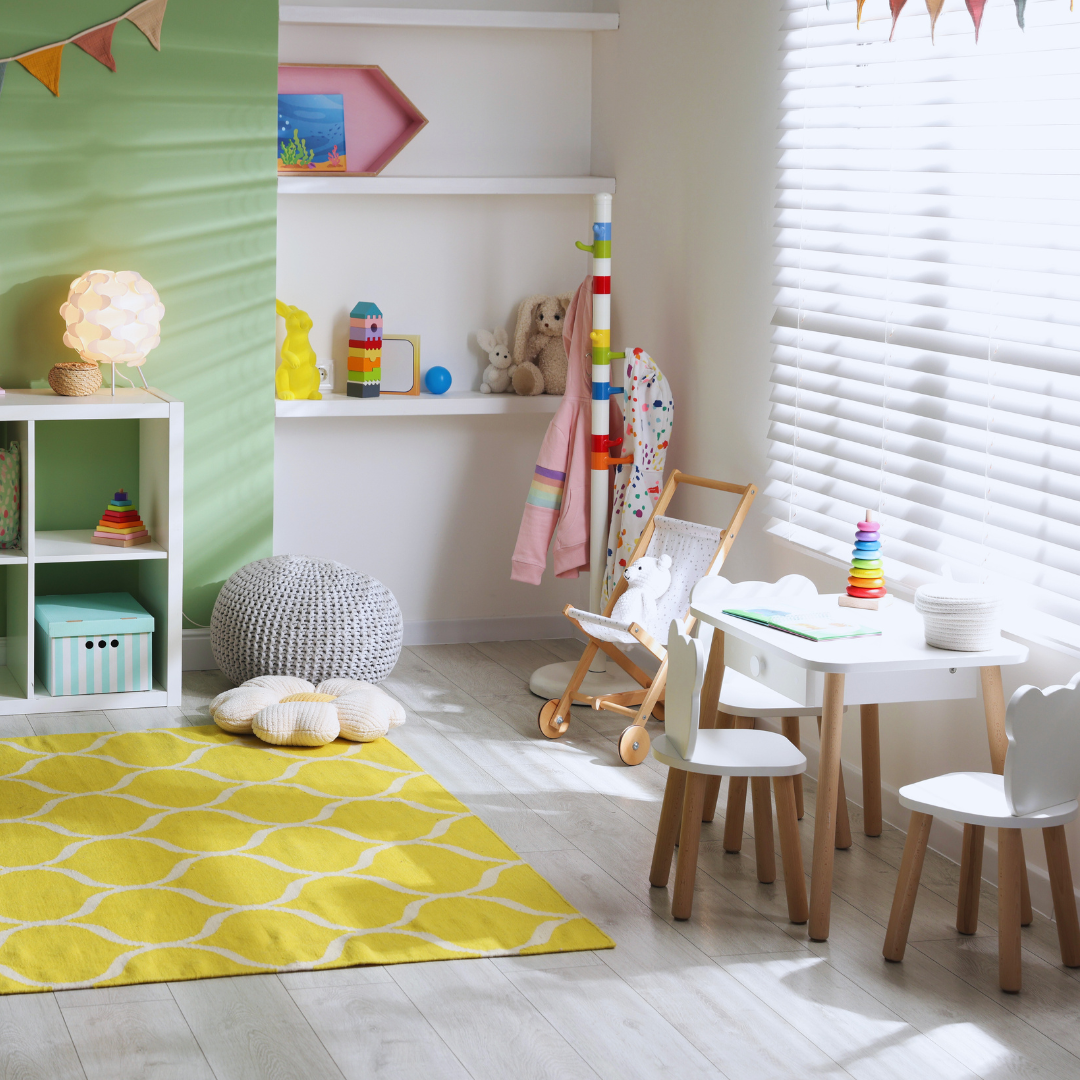
How to Organise Your Home When You Have Young Children — Practical Strategies for Busy Families

You can create a calmer, more functional home without deleting play from daily life by building simple systems that fit your family’s pace. Set clear zones for play, storage, and daily routines so toys, clothes, and essentials have predictable places that kids can learn to use.
They will respond to consistent habits and visible storage; use low shelves, labelled bins, and easy drop zones to keep clutter manageable. The rest of the article walks through practical strategies, quick swaps, and routines that make organisation repeatable rather than perfect.
Organising Your Home for Young Children: Essential Systems and Strategies
This section explains practical systems — from decluttering steps to daily routines — that parents can implement immediately. It emphasises specific storage choices, placement, and simple habits that reduce chaos and make maintenance realistic.
Decluttering with Kids: Where to Start and How to Involve Them
Begin in one small zone (a playroom corner, a single bedroom, or one closet) to avoid overwhelming children and adults. Sort items into four labelled bins: Keep, Donate, Trash, and Maybe; let the child place obvious trash and choose a few favourites for Keep to build ownership.
Use a two-minute rule for quick wins: if an item can be decided in two minutes, decide it now. For sentimental items, photograph them before donating and store photos in a simple folder. Offer choices rather than orders: “Which three toys do you want to keep on the shelf?” This teaches decision-making and reduces resistance.
Always keep donation boxes reachable and schedule a monthly donation drop-off. Praise participation and make decluttering a short, recurring task — 10–15 minutes, three times per week — so it becomes a habit rather than a big project.
Creating a Home for Everything: Establishing Drop Zones and Cubbies
Designate a primary drop zone at the main entry for backpacks, shoes, and coats using hooks, a bench, and cubbies at child height. Label each cubby with a picture label and the child’s name to speed the morning routine and prevent items from migrating.
Place a secondary drop zone near the mudroom, garage, or kitchen for sports gear and school papers. Use clear storage bins on open shelves so children and caregivers can see contents at a glance. Keep everyday essentials (snacks, wet wipes, spare clothes) in a labelled basket within reach.
Rotate seasonal items between a labelled storage tote in a hall closet and accessible cubbies. Create a simple checklist taped near the entry: shoes, coat, backpack — done. Consistent placement reduces lost items and streamlines departures.
Smart Toy Organisation Solutions for Every Space
Match toy storage to play patterns: low open bins for frequently used toys, closed bins for small parts, and vertical shelving for board games. Use clear storage bins for puzzles and construction sets so pieces don’t get mixed up during cleanups.
Adopt size-based toy rules: limit large toys to one zone and smaller toys to labelled containers. Use a “one-in, one-out” rule for new toys to prevent accumulation. Mount a shallow bookshelf at child height for books and a basket for stuffed animals to avoid overcrowded surfaces.
Create activity-specific kits (art, blocks, cars) in labelled bins so children know where to find and return items. Keep a small “lost parts” box for stray pieces and check it weekly before deciding something is missing.
Kid-Friendly Storage: Baskets, Clear Storage Bins, and Picture Labels
Choose sturdy baskets for soft items like stuffed animals and laundry; they look tidy and are lightweight for children to lift. Use clear storage bins with snap lids for crafts and small toys to protect contents while keeping visibility.
Add picture labels for pre-readers and combined picture-plus-word labels for early readers. Place labels at the child’s eye level on each cubby or bin front. Use consistent icons and colours to reduce confusion across rooms.
Anchor tall shelving to the wall and keep heavier clear bins on lower shelves. Combine decorative baskets for living areas with plastic bins in playrooms for a balance of aesthetics and functionality.
Family Routines and Command Centres for Daily Success
Install a command centre near the kitchen or entry that includes a large family calendar, weekly chore chart, and a pocket for permission slips. Use colour-coded magnets or markers for each family member to quickly see activities and responsibilities.
Post a short morning routine checklist: get dressed, eat breakfast, pack backpack, check calendar. Keep a small basket for keys, a lunchbox station, and a spot for school papers labelled “To Do” and “To Return.” Review the calendar together each evening to prep for the next day.
Make the command centre low-tech and visible; laminated checklists and dry-erase boards often work better for kids than apps. Consistent use reduces morning stress and helps children internalise expectations.
Teaching Children to Participate in Home Organisation
Start with age-appropriate tasks: toddlers can return books to a basket, preschoolers can sort blocks by colour, and school-age children can load a small laundry basket. Demonstrate each task step-by-step and practice it together three times before asking them to do it alone.
Use short timers and make clean-up a game: set a two-minute timer and challenge the child to pick up five items before it dings. Offer specific praise for effort (“You put all the cars back in their bin — great job!”) instead of vague rewards.
Keep responsibilities consistent and increase complexity gradually. Post a simple checklist with pictures and reward stickers for younger children, then transition to a written chore list tied to privileges for older kids.